Home Industries Wineries Vineyard And Crop Insurance

Vineyard Insurance

Connect with Our Team

Safeguard Your Vineyard with Comprehensive Crop and Risk Protection

Vineyards operate in a delicate balance where nature’s unpredictability can put your entire harvest at risk. From severe weather like hailstorms and frost to pests and smoke damage, these threats can heavily impact your yield and revenue.

Crop insurance serves as a safeguard, giving vineyard owners financial security and peace of mind. With the right protection, you can stay focused on quality and growth — even when the unexpected happens.

Common Vineyard Risks Covered by Crop Insurance

Selecting the right risk management strategy is essential for protecting your vineyard against various risks. Below is an overview of common challenges vineyards face that can be part of a comprehensive risk management plan, if available in your area.
getty-images-1198096032-800x550-1

Adverse Weather Conditions and Natural Events

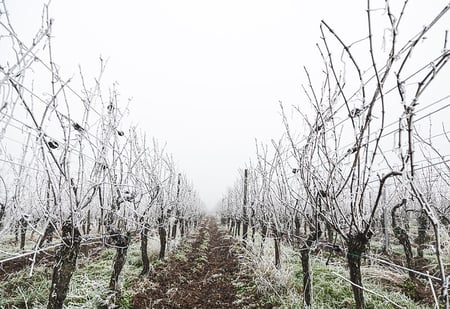
Losses caused by extreme weather events, such as hail, frost/freezing temperatures, and drought. Weather-related coverage helps ensure that even if nature takes an unexpected toll, your operations can continue without severe financial setbacks.
getty-images-1570178813-800x550-1

Insect Infestation and Disease Damage

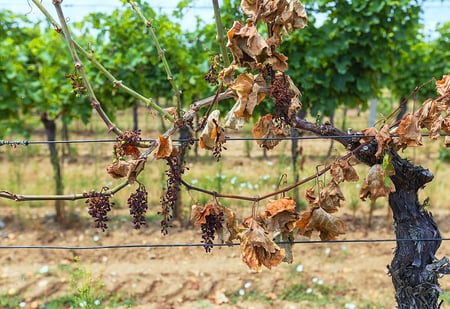
Vineyards face unique risks from insects like phylloxera and diseases such as powdery mildew or botrytis. When losses are determined, indemnity payments help you recover from reductions in yield or quality. It also assists with costs related to remediation and prevention.
field-fire-vineyards-burning-800x550-1

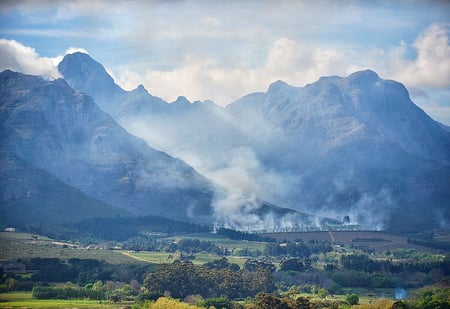
Smoke Taint Damage from Wildfires

Since grape skins can absorb smoke compounds, your crop may yield an undesirable flavor following smoke events. Coverage mitigates the financial burden associated with significant smoke exposure.
fire-damaged-grapes-800x550

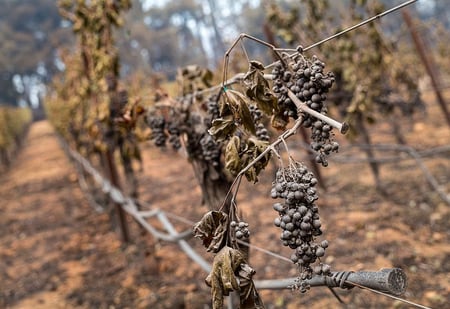
Fire and Wildfire Damage

Wildfires are a significant risk, especially in regions like California. Wildfire-related losses can be covered if reasonable control measures are in place.

irrigation-sprinkler-merlot-vineyard-okanagan-valley-800x550 (1)

Irrigation and Water Supply Failures

Many vineyards depend on irrigation, and disruptions due to drought can reduce grape production. Irrigation water failure insurance covers losses if your vineyard’s water supply is disrupted due to drought, well issues or other shortages.
getty-images-1178877364-800x550

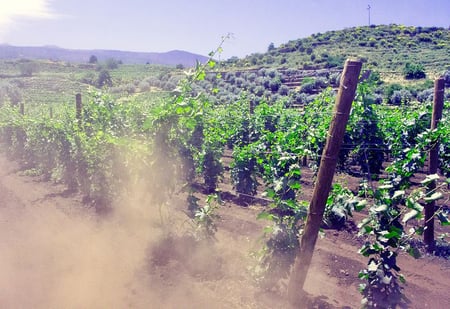
Earthquake and Volcanic Eruption Damage

Although less frequent, earthquakes and volcanic eruptions can cause severe damage to vineyards in regions like California and the Pacific Northwest. This coverage helps protect your vineyard from physical damage caused by seismic or volcanic activity — including harm to trellises, irrigation systems, wine caves, storage facilities, and even the vines and grapes themselves.

Key Factors We Evaluate in Your Vineyard Insurance Plan

  • Analytics and your APH data: Our proprietary software analyzes your actual production history (APH) and historical data to help forecast risk and product performance.
  • Geography and microclimates: Your vineyard’s location — from frost pockets to wildfire zones — shapes the specific threats you face.
  • Grape variety risks: Some grapes are more sensitive to weather or pests. Protect your most valuable varieties with comprehensive coverage.
  • Historical yields: Reviewing past yields helps ensure your coverage reflects your real production and revenue risk.

Taking these steps allows your insurance policies to work with your specific vineyard requirements and achieve long-term business goals.

Why Choose Brown & Brown for Your Vineyard Insurance and Risk Management Needs

Brown & Brown, in conjunction with Silveus Insurance Group, provides specialized vineyard coverage solutions. We help you build a risk management plan that helps protect your vines, business, and future.

Frequently Asked Questions About Vineyard Crop Insurance

Typically, crop insurance for vineyards covers losses from weather events, such as frost, hail, and drought, as well as risks related to pests, diseases, and revenue fluctuations related to yields.

No, the USDA often assesses grape varieties differently. Susceptibility to environmental factors, disease resistance, and market value all play a role in determining coverage specifics.

You will have to open a claim with your approved insurance provider (AIP) either directly or through your agent. Each claim is handled individually, depending on your situation.

While not mandatory, crop insurance is strongly recommended for vineyard owners looking to protect their investments against unforeseen risks.

Yes, all policies allow for adjustments. You can update your coverage to reflect changes in acreage, varieties, or business goals.

If you have other questions, consult with a crop insurance specialist. They can provide deeper insights and program-specific details for your area.

Additional Resources

Connect with Brown & Brown

Schedule a consultation with our Brown & Brown vineyard insurance specialists to discuss how tailored crop and risk management solutions can protect your vineyard. Our experienced team can help you evaluate coverage options for weather events, smoke exposure, and pest damage. Learn how Brown & Brown can help you safeguard your vines, yields, and long-term success. 

Connect with Our Team

Brown & Brown is an equal opportunity provider. In accordance with Federal civil rights law and U.S. Department of Agriculture (USDA) civil rights regulations and policies, the USDA, its Agencies, offices and employees and institutions participating in or administering USDA programs are prohibited from discriminating based on race, color, national origin, religion, sex, gender identity (including gender expression), sexual orientation, disability, age, marital status, family/parental status, income derived from a public assistance program, political beliefs or reprisal or retaliation for prior civil rights activity, in any program or activity conducted or funded by USDA (not all bases apply to all programs). Remedies and compliant filing deadlines vary by program or incident.