

.jpg?width=230&height=32&name=BBRetail001-CMYK%20(1).jpg)
-
Solutions
- Captive Insurance
- Cyber Insurance
- Dealer Services
-
- Employee Benefits Solutions
- Employee Benefits Administration and Technology
- Employee Benefits Compliance Support
- Data Analytics Solutions - HR and Finance Leaders
- Population Health and Well-Being Services
- Pharmacy Benefits
- Voluntary Employee Benefits and Lifestyle Benefits
- Medicare for Employers and Employees
- Non-Medical Benefits and Absence Management Solutions
- Employer Stop Loss
- Multinational Liability Insurance
- Surety Bonds
- Trade Credit Risk Solutions
-
- Agriculture
- Architects and Engineers
- Dealer Services
- Energy and Power
-
- Commercial Marine Insurance
- Recreational Marine Business Insurance
- Aquaculture Insurance
- Marine Cargo and Transit Insurance
- Marine Crew Medical Insurance
- Marine Hull and Machinery Insurance
- Marine Claims Service
- Marine Contractors Insurance
- Marine Liability Insurance
- Marine Ports and Terminals Insurance
- Marine Protection and Indemnity Insurance
- Sailing - Burgee Program
- US Sailing Insurance Programs
- Nonprofit
- Private Equity
- Public Sector
- Technology and Data Centers
- Tribal
-
- Captive Insurance
-
- Cyber Insurance
- Dealer Services
-
- Employee Benefits Solutions
- Employee Benefits Administration and Technology
- Employee Benefits Compliance Support
- Data Analytics Solutions - HR and Finance Leaders
- Population Health and Well-Being Services
- Pharmacy Benefits
- Voluntary Employee Benefits and Lifestyle Benefits
- Medicare for Employers and Employees
- Non-Medical Benefits and Absence Management Solutions
- Employer Stop Loss
- Multinational Liability Insurance
-
- Surety Bonds
- Trade Credit Risk Solutions
You are leaving bbrown.com.
By accessing this link, you will be leaving Brown & Brown’s website and entering a site hosted by another party. Please be advised that you will no longer be subject to the privacy and security policies of Brown & Brown’s website. We encourage you to read and evaluate the privacy and security policies of the site you are entering, which may be different than those of Brown & Brown.
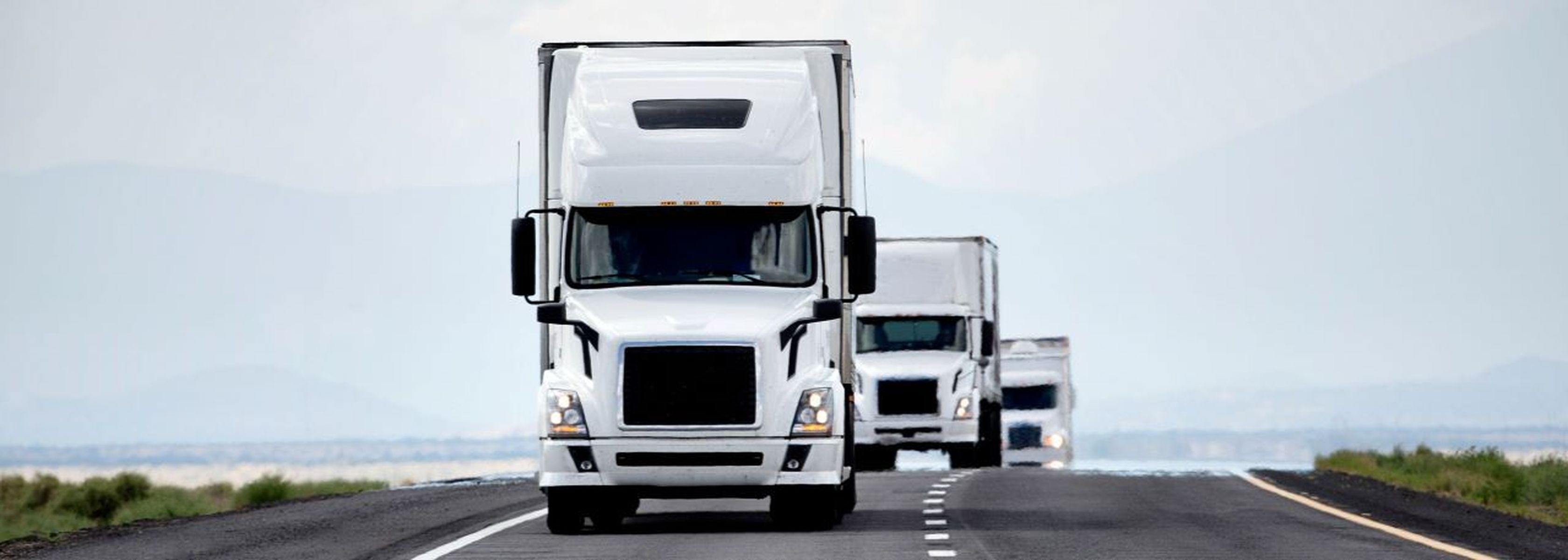
Comprehensive Trucking Insurance Solutions

Protecting Fleets, Drivers, and Cargo with Tailored Coverage
Running a trucking operation today means navigating rising costs, complex compliance, and real safety risks. Whether you manage a multi-state fleet or operate independently, the right trucking insurance program helps protect your business, your drivers and your cargo — keeping your business road ready and competitive.
What Is Trucking Insurance?
Trucking insurance is a customized package of policies designed specifically for the transportation industry. It brings together liability, cargo, physical damage, and worker protections to form a single risk management program. These policies help trucking companies operate legally while helping protect drivers, equipment, and freight from the unexpected.
Why Trucking Insurance Matters
From fuel and equipment costs to driver retention, the trucking industry faces mounting pressure. Compliance with FMCSA, DOT and Hours of Service rules adds layers of responsibility. Accidents, cargo theft and claims can quickly escalate into financial strain without adequate coverage and responsive service. Our Transportation Insurance team understands these realities and helps you build programs that align with how you run.
- Driver Shortages and High Turnover: Recruiting and retention challenge safety and efficiency. Insurance programs that reflect these dynamics create an accurate risk picture and preserve continuity as staffing changes.
- Highway Accidents and Liability Exposure: More miles mean more exposure to severe losses. Adequate liability and excess limits help shield your balance sheet and customer relationships.
- Compliance Burdens (ELDs, Hours of Service, DOT): Non-compliance risks fines and downtime. Tailored programs and loss control support help you stay aligned with regulations and on the road.
- Cargo Theft in Dense Markets: Urban routes increase theft risk. Combining cargo coverage with practical controls (secure lots, geo-fencing, SOPs) helps protect freight and customer commitments.
- Stop-and-go Collisions: Congested routes raise fender-benders and third-party claims. Program design and driver training can reduce frequency while ensuring claim responsiveness.
- Owner-operator Needs: Independent drivers often require non-trucking liability, occupational accident and physical damage in addition to primary auto — built for contract and regulatory requirements.
-
- Driver Shortages and High Turnover: Recruiting and retention challenge safety and efficiency. Insurance programs that reflect these dynamics create an accurate risk picture and preserve continuity as staffing changes.
- Highway Accidents and Liability Exposure: More miles mean more exposure to severe losses. Adequate liability and excess limits help shield your balance sheet and customer relationships.
- Compliance Burdens (ELDs, Hours of Service, DOT): Non-compliance risks fines and downtime. Tailored programs and loss control support help you stay aligned with regulations and on the road.
- Driver Shortages and High Turnover: Recruiting and retention challenge safety and efficiency. Insurance programs that reflect these dynamics create an accurate risk picture and preserve continuity as staffing changes.
-
- Cargo Theft in Dense Markets: Urban routes increase theft risk. Combining cargo coverage with practical controls (secure lots, geo-fencing, SOPs) helps protect freight and customer commitments.
- Stop-and-go Collisions: Congested routes raise fender-benders and third-party claims. Program design and driver training can reduce frequency while ensuring claim responsiveness.
- Owner-operator Needs: Independent drivers often require non-trucking liability, occupational accident and physical damage in addition to primary auto — built for contract and regulatory requirements.
- Cargo Theft in Dense Markets: Urban routes increase theft risk. Combining cargo coverage with practical controls (secure lots, geo-fencing, SOPs) helps protect freight and customer commitments.
Tailored Insurance Coverage for Your Trucking Operations
No two trucking businesses are the same. We help you build comprehensive, personalized programs aligned to your cargo, routes, contracts and goals — backed by specialty transportation knowledge, broad market access, and responsive service.
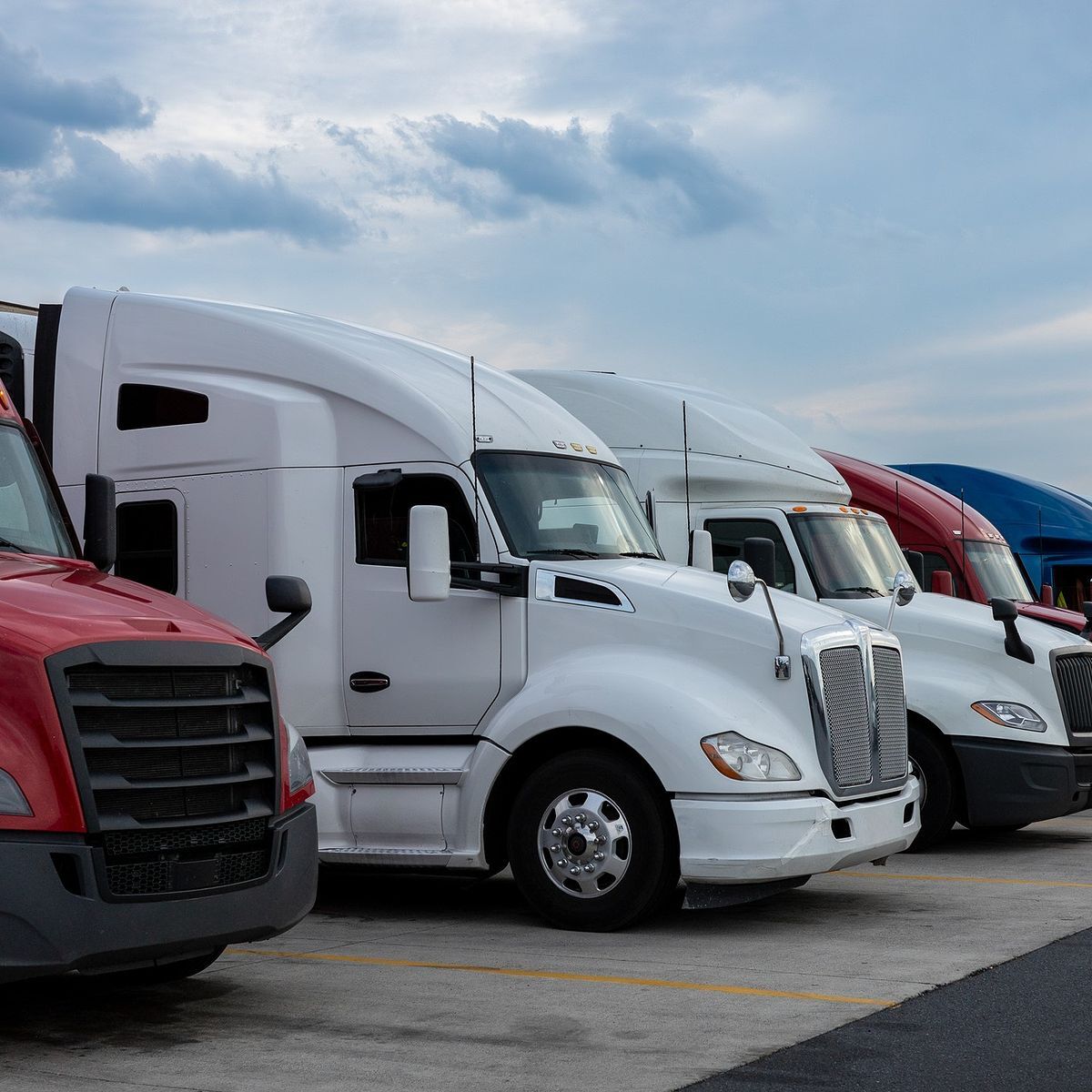
Fleet Trucking Insurance
Your program can include:
- Auto Liability: Helps protect against third-party bodily injury and property damage.
- Cargo & Physical damage: Safeguards freight in transit and repairs/replaces units after covered loss.
- Semi truck and Trailer Insurance: Extends protection to tractors and trailers for complete fleet coverage.
- Commercial Truck and Trailer Insurance: Coordinates coverage across vehicles and trailers.
- Excess Liability: Adds a buffer for severe or multiple claims.
- Property & Warehouse: Helps protect facilities, stock, and equipment.
- Workers’ Compensation: Provides medical care and wage replacement for employees injured on the job — helps businesses manage costs and meet compliance requirements.
Owner-Operator Trucking Insurance
Independent drivers benefit from:
- Non-trucking Liability: Helps protect when operating outside business use.
- Occupational Accident: Addresses medical costs and lost income after a covered accident.
- Physical Damage: Repairs or replaces owner-operated equipment following collision or theft.
The Brown & Brown Advantage
As a leading insurance brokerage firm delivering comprehensive and customized insurance solutions and specialization since 1939, we bring access to all major insurance markets, transportation specialization and dedicated claim and loss control resources to your program.
Dedicated Claims Advocacy and Compliance Resources
When incidents happen, responsiveness is critical. Our specialized claims handling and loss control resources help streamline resolution, contain costs and improve predictability — so you spend less time chasing paperwork and more time running your business.
Seasoned Insurance Professionals
Transportation specialists translate complex risk into clear coverage decisions, aligning policies to your routes, cargo classes and contractual requirements. Our seasoned professionals continually monitor claims and industry trends to keep programs responsive as conditions evolve.
Access to All Major Markets
Broad carrier access matters — especially when underwriting tightens. We leverage multiple markets to structure options that fit your risk profile and budget preferences, pairing local people with powerful solutions for confident placement and renewal strategies.
Help Protect Your Fleet and Stay Compliant
From FMCSA and DOT requirements to liability, cargo and equipment coverage, we’ll help you build a trucking insurance program that helps keep your business road ready and protected.
FAQs About Trucking Insurance
Insurers consider driver records, operating radius, cargo class, vehicle value, garaging, loss history, and compliance scores. Safety technology, training and maintenance programs also influence pricing. Fleets with disciplined operations and fewer losses typically earn better terms. Understanding these factors helps you allocate resources where they can impact premiums and resilience.
Focus on driver selection and training, telematics, dashcams and preventive maintenance. Maintain accurate safety records and implement documented policies. Establishing clean and consistent loss experience demonstrates stability of risk management. Presenting clean data to underwriters can help demonstrate lower risk. An experienced insurance broker can benchmark your program, negotiate with multiple markets, and recommend improvements that may support more favorable terms over time.
Trucking insurance covers the everyday risks of operating trucks on the road. Core protections include liability for accidents, cargo insurance for freight, physical damage for vehicles, and coverage for worker injuries. Some programs also add non-trucking liability or occupational accident policies, giving fleets and owner-operators a safety net against costly disruptions.
Coverage needs depend on fleet size, routes, cargo type and contracts. Federal rules set minimum liability levels, yet many operators select higher limits to address real accident and cargo risks. A seasoned insurance professional can evaluate your drivers, equipment, operating radius, and claims history to recommend limits and deductibles aligned with your business profile. We also employ state-of-the-industry benchmarking tools to evaluate your limits against your peers.
Yes. The FMCSA requires trucking companies and owner-operators to maintain minimum liability coverage to obtain and keep operating authority. State laws and shipper contracts may require additional policies such as cargo or workers’ compensation. Meeting these requirements supports compliance and helps safeguard against legal exposure and costly claims that can disrupt your business.
Cargo insurance helps protect freight in transit against theft, fire, collision, or other covered causes of loss. Liability insurance addresses third-party bodily injury or property damage caused by your vehicles. Both coverages work together: one helps protect customers’ goods while the other helps shield your company from lawsuits and large settlements after an accident.
Yes. Owner-operators commonly need non-trucking liability, occupational accident, and physical damage coverage for their equipment. Fleets require broader programs spanning multiple drivers, vehicles, facilities, and sometimes warehouses. Tailoring policies to each operation creates comprehensive solutions, helping independent drivers and growing fleets remain compliant and financially resilient throughout changing conditions.
Work with a trucking specialist with strong market access and responsive claims support. Seasoned professionals can identify risks, help align coverage with your routes and cargo, and advocate during underwriting and claims. Look for transparent service, proactive loss control, and data-driven guidance, so your program adapts as operations, regulations, and costs evolve.
Yes. Proof of liability coverage is required to obtain DOT and motor carrier authority. Depending on cargo and operating radius, you may also need cargo, workers’ compensation or other policies. Securing insurance early helps speed onboarding with shippers, supports compliance filings and enables a smoother, more predictable start to operations.
Additional Resources

Cyber-Enabled Cargo Theft: Risk Management and Insurance Considerations
Cargo theft is evolving. For years, transportation companies focused on identifying fraudulent carriers before they gained access to freight. They managed this by verifying the carrier's authority, confirming insurance, reviewing operating history, ...
Market Trends
Brown & Brown's Market Trends Report offers a comprehensive analysis of these emerging shifts, providing strategic foresight into the critical developments redefining commercial coverage, employee benefits and personal insurance.
Montgomery v. Caribe Transport: What the Supreme Court Ruling Means for Freight Broker Liability
On May 14, 2026, the United States Supreme Court issued a unanimous decision in Montgomery v. Caribe Transport II, LLC, altering the liability landscape for freight brokers nationwide. In an opinion authored by Justice Amy Coney Barrett, the Court ...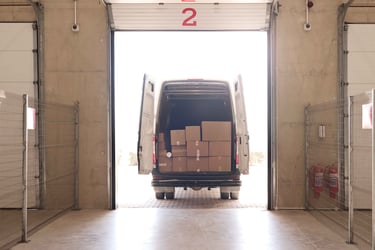
Understanding Final-Mile Delivery Insurance Risks and Red Flags
Dealing with insurance claims in the final-mile delivery sector can be complex. For instance, if a driver is on a delivery, their personal auto policy usually won’t pay for an accident. Lawsuits are getting pricier, and insurers have tightened ...Explore Other Logistics and Transportation Insurance Solutions

Connect with a Brown & Brown Logistics and Transportation Specialist
Schedule a consultation with a Brown & Brown Logistics and Transportation insurance specialist to discuss coverage tailored to your needs. Learn how our knowledgeable teammates can help you safeguard your business, people, and reputation.