

.jpg?width=230&height=32&name=BBRetail001-CMYK%20(1).jpg)
-
Industries
-
Solutions
- Captive Insurance
- Cyber Insurance
- Dealer Services
-
- Employee Benefits Solutions
- Employee Benefits Administration and Technology
- Employee Benefits Compliance Support
- Data Analytics Solutions - HR and Finance Leaders
- Population Health and Well-Being Services
- Pharmacy Benefits
- Voluntary Employee Benefits and Lifestyle Benefits
- Medicare for Employers and Employees
- Non-Medical Benefits and Absence Management Solutions
- Employer Stop Loss
- Multinational Liability Insurance
- Surety Bonds
- Trade Credit Risk Solutions
-
- Agriculture
- Architects and Engineers
- Dealer Services
- Energy and Power
-
- Commercial Marine Insurance
- Recreational Marine Business Insurance
- Aquaculture Insurance
- Marine Cargo and Transit Insurance
- Marine Crew Medical Insurance
- Marine Hull and Machinery Insurance
- Marine Claims Service
- Marine Contractors Insurance
- Marine Liability Insurance
- Marine Ports and Terminals Insurance
- Marine Protection and Indemnity Insurance
- Sailing - Burgee Program
- US Sailing Insurance Programs
- Nonprofit
- Private Equity
- Public Sector
- Technology and Data Centers
- Tribal
-
- Captive Insurance
-
- Cyber Insurance
- Dealer Services
-
- Employee Benefits Solutions
- Employee Benefits Administration and Technology
- Employee Benefits Compliance Support
- Data Analytics Solutions - HR and Finance Leaders
- Population Health and Well-Being Services
- Pharmacy Benefits
- Voluntary Employee Benefits and Lifestyle Benefits
- Medicare for Employers and Employees
- Non-Medical Benefits and Absence Management Solutions
- Employer Stop Loss
- Multinational Liability Insurance
-
- Surety Bonds
- Trade Credit Risk Solutions
You are leaving bbrown.com.
By accessing this link, you will be leaving Brown & Brown’s website and entering a site hosted by another party. Please be advised that you will no longer be subject to the privacy and security policies of Brown & Brown’s website. We encourage you to read and evaluate the privacy and security policies of the site you are entering, which may be different than those of Brown & Brown.

Community Association, Condo, Co-op, and HOA Insurance Solutions

The specialized community association team at Brown & Brown provides deep subject matter knowledge and proprietary market access to help you obtain the most competitive coverage and rates.
We collaborate with your board, attorneys, and management to solve problems and improve your insurance risk profile. The goal: We want the insurance industry to view you as a best-in-class risk, because that’s how you will negotiate the most favorable results and protect your association.
Key Insurance Questions for Community Association Boards
When was the last time you conducted a thorough examination of your association’s insurance program? Many community associations discover the hard way their policies contain coverage gaps, or the insurance industry views their risk profile unfavorably.
Have you checked for these common problems?
- Alignment with governing documents: Do your association’s insurance policies align with the insurance requirements set forth in your governing documents?
- Clarity in deductibles: Do your governing documents contain any ambiguity? Do they properly clarify deductible responsibilities?
- Maintenance standards: Do the rules and regulations of your community include maintenance requirements to prevent unnecessary claims?
- Lender requirements: Do your insurance policies comply with unit owner lender requirements?
- Cyber and fraud coverage: Are your policies missing coverage for common types of fraud and cyber threats?
Brown & Brown helps you evaluate your current coverages, identify potential trouble spots and find innovative solutions to manage your risks as cost efficiently as possible.
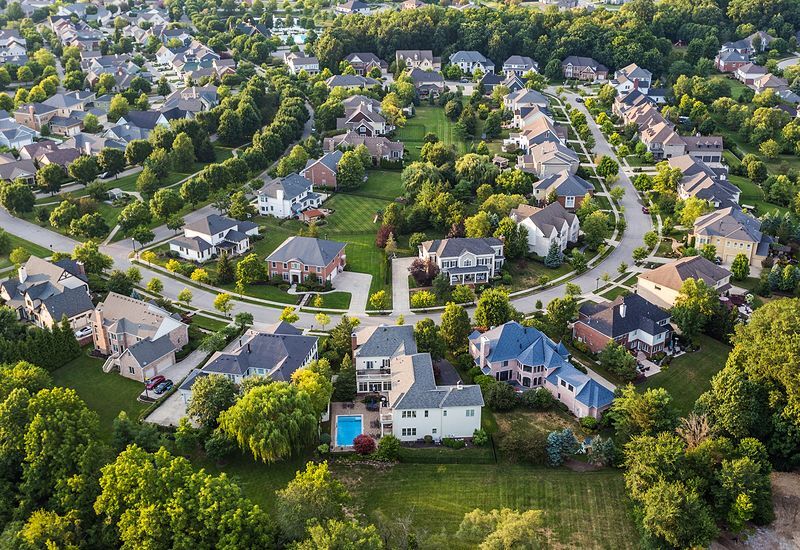
Specialized Services for Condos, Co-Ops, HOAs and Community Associations
- Governing document analysis: Conduct a critical reading and analysis of the association’s governing documents to assess and address all insurance and indemnity responsibilities.
- Responsibilities clarification: Advise on governing documents to eliminate ambiguity and clarify responsibilities.
- Maintenance requirements: Work with the board to update rules and regulations with needed preventive maintenance requirements.
- Comprehensive marketing: Market the risk comprehensively to our full stable of carriers, enabling us to locate the most cost-efficient coverages for the association.
- Certificate management: Ensure timely distribution of certificate of insurance (COI) documents to satisfy lender requirements.
- Education and compliance: Work with the board of directors and unit owners to ensure each understands their respective insurance responsibilities.
- Fannie Mae compliance: Ensure compliance with changing Fannie Mae guidelines regarding insurance policies.
- Claims analysis: Conduct in-depth claims analysis to identify and address trends with the goal of reducing claim frequency and severity.
- Community education: Provide educational resources to community members to help them safeguard their properties.
- Claims advocacy: Advocate on the association’s behalf, from start to finish, even on the most complex claims.
Throughout the year, we communicate with the association’s board and property management team—keeping all parties up to date on regulatory changes, new carriers and coverage types, emerging risks and what to expect at renewal so you can plan.
Frequently Asked Questions (FAQs) About Community Association Insurance and Risk Management
Since it is the board’s fiduciary obligation to protect the financial position of the building, establishing an adequate amount of insurance is a significant concern. To check if your policy limit is sufficient, the board can engage a reputable, independent, certified insurance appraiser to determine the replacement cost of your building(s). Brown & Brown can provide a list of appraisers in your geographic area. You want the appraiser’s opinion to be backed by their professional liability (errors and omissions) policy.
The board of an association can face allegations of breach of contract, breach of fiduciary duty, discrimination, or other wrongful acts. A D&O liability policy helps protect the directors, officers, employees, committee members, association and property manager against these types of exposures.
The association's master policy typically covers the common areas, shared property, and the building's structure. A personal homeowner's policy, often called an HO-6 policy for condo owners, covers a unit owner’s personal belongings, the interior of the unit, and liability for incidents within the unit. Think of it as the association insuring the "outside-in" and the unit owner insuring the "inside-out.”
Common claims often involve water damage from pipes, wind or hail damage to roofs, and slip-and-fall accidents in common areas. You can help prevent these by performing regular maintenance on plumbing and roofs, keeping walkways clear, and addressing hazards promptly.
Brown & Brown’s community association specialists review your governing documents and compare them against state statutes and your current policies. This annual audit helps confirm your coverage meets legal and internal requirements.
As a board member, your fiduciary duty means you must act in good faith and in the best interests of the association, which includes purchasing appropriate insurance coverage. This responsibility requires you to make prudent decisions to protect the association's assets and finances from predictable risks.
You can help control insurance costs through preventive maintenance and regular property inspections to identify vulnerabilities, along with upgrades to infrastructure (like roofs) and safety systems (e.g., fire alarms, security cameras). Many insurers offer discounts for communities that actively work to reduce their potential for claims.
Managing risk for amenities involves establishing clear rules for use, conducting regular safety inspections, maintaining facilities, and posting visible signage about potential dangers. Proper supervision and adequate fencing for pools are also critical steps to protect residents and limit the association's liability.
Check your governing documents and local laws to see if short-term rentals are even allowed. If they are, talk with your insurer to understand how these rentals will affect your association’s insurance policies. If you decide to allow this rental activity, establish clear rules and enforcement policies. Require hosts to carry their own liability insurance and amend your documents to reflect the rules and restrictions pertaining to rental activity.
The key is to fund and follow a reserve study, which is a long-term capital budget plan for the repair and replacement of major community assets. Regular professional inspections can identify deterioration early, allowing you to schedule repairs before a catastrophic failure leads to a major insurance claim.
Technology like water leak detectors and security cameras can provide early warnings to prevent major damage or deter crime. While these systems enhance safety, it's crucial to manage the associated cyber risk by securing your network, protecting your data, and procuring cyber insurance.
It is a wise financial practice to set aside funds for your master policy deductible. This prevents the need for a large special assessment on homeowners after a loss and helps ensure you can begin repairs immediately.
To manage EV charger risks, ensure installation is performed by a qualified electrician according to all codes and that the stations undergo regular maintenance inspections. Also establish clear rules for usage and work with your insurance broker to confirm your liability coverage extends to the charging stations.
Associations often fall out of compliance due to inadequate reserve funding, deferred maintenance, or having insurance policies that don't meet Fannie Mae's specific requirements. Other issues include having a high percentage of non-owner-occupied units or being involved in significant litigation.
New construction or major renovations increase the property's value yet introduce new risks. Ask Brown & Brown if you need a builder’s risk policy, since your regular property insurance may exclude coverage for construction. Once your project is complete, you will need to update your property insurance limits to reflect the new value of your building(s). It's also vital to ensure all contractors have their own sufficient liability and workers' compensation insurance.
Additional Resources

Lower Workers’ Comp Insurance Costs: 5 Tips for Restaurants
While workers’ compensation insurance premiums decreased for some industries last year, many restaurants faced increases — 30% to 40% in some locations. The silver lining? Workers’ comp costs can be one of the most controllable expenses in your ...
Market Trends
Brown & Brown's Market Trends Report offers a comprehensive analysis of these emerging shifts, providing strategic foresight into the critical developments redefining commercial coverage, employee benefits and personal insurance.
Understanding COPE Data in Commercial Real Estate Insurance
Have you ever wondered how insurers decide your property’s premiums? Underwriters evaluate many factors, but a key determinant is your COPE data.
Wildfire Smoke Risk Management for Commercial Real Estate
Wildfire smoke does not stop at the fire line. In recent years, smoke plumes from large wildfires have blanketed cities hundreds of miles away, turning the air hazy and pushing particulate matter into buildings that have never faced a wildfire ...
Why Community Associations Condos, Co-Ops and HOA Boards Choose Brown & Brown for Insurance and Risk Management Solutions
Brown & Brown is a passionate specialist who knows your local insurance market, your state’s regulatory environment and the nuances of insuring condominiums, homeowners associations, cooperatives and planned communities. As your risk management advisor, we are available year-round for questions, board meetings and problem solving.