You are leaving bbrown.com.
By accessing this link, you will be leaving Brown & Brown’s website and entering a site hosted by another party. Please be advised that you will no longer be subject to the privacy and security policies of Brown & Brown’s website. We encourage you to read and evaluate the privacy and security policies of the site you are entering, which may be different than those of Brown & Brown.
Wildfire insurance helps protect homeowners against financial loss caused by covered wildfire events. In most cases, wildfire protection is included within a homeowners insurance policy rather than purchased separately. Coverage may include damage to the home, personal belongings, smoke damage, additional living expenses, and debris removal, depending on the policy, carrier, and coverage selected.
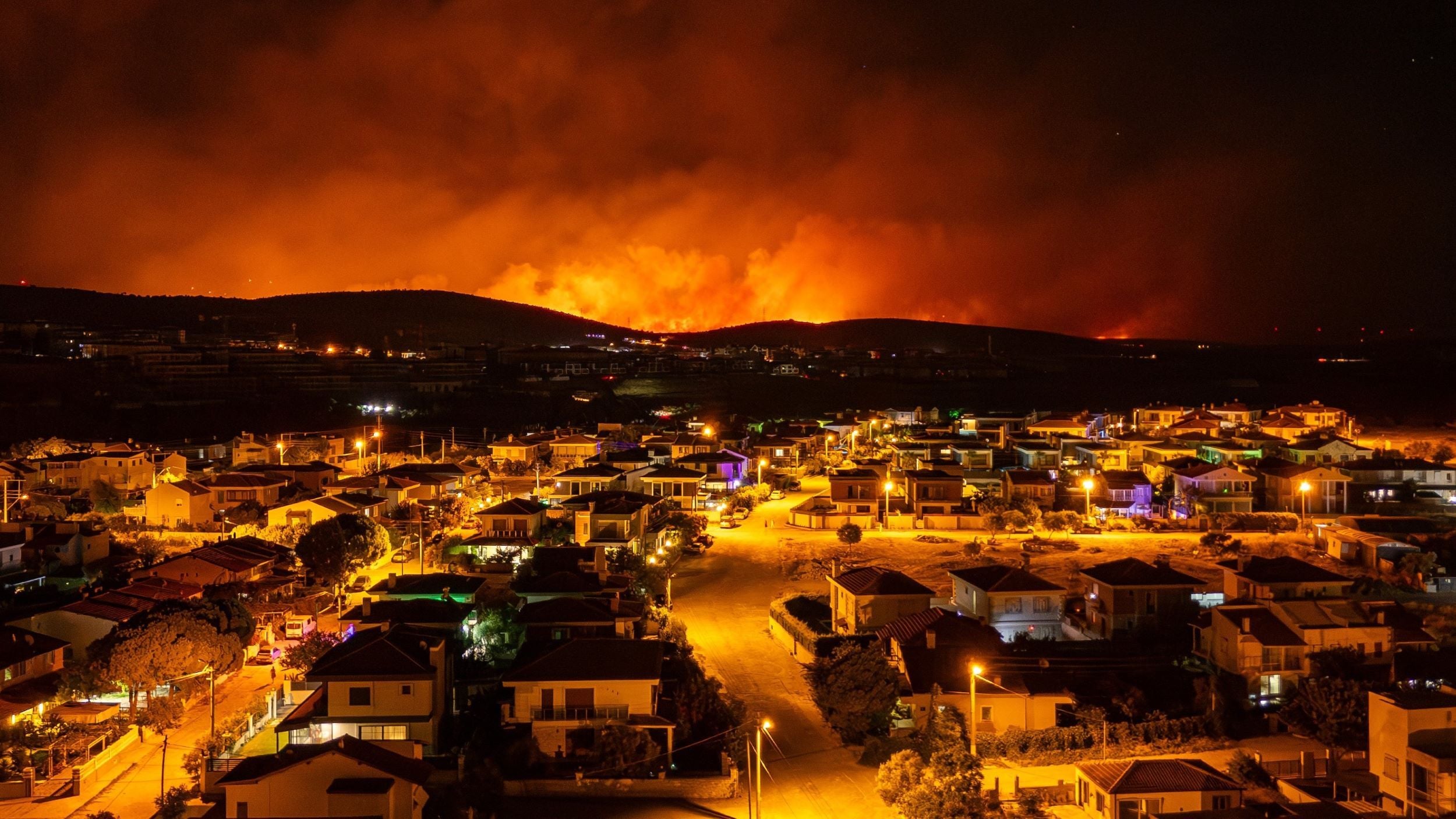
Wildfires are no longer confined to a handful of high-risk regions. Across the country, homeowners are facing longer wildfire seasons, changing weather patterns, and growing concerns about how wildfire exposure may affect their homes and insurance coverage. In recent years, wildfire losses have resulted in billions of dollars in property damage, prompting homeowners, insurance carriers, and communities alike to take a closer look at preparedness and resilience.
Whether you own a home in the mountains of Colorado, a suburban community in Texas, a coastal region of Oregon, or anywhere in between, wildfire preparedness starts with understanding your risks and reviewing your insurance strategy. Brown & Brown helps homeowners evaluate coverage options, navigate changing market conditions, and make informed decisions about protecting what matters most.
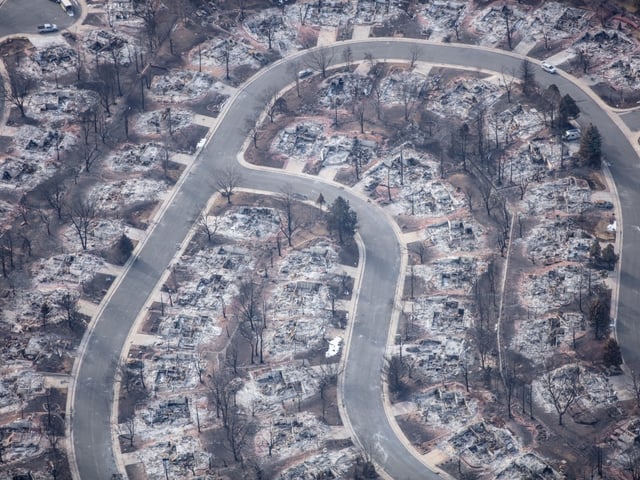
Wildfire insurance is designed to provide financial protection when a covered event damages your home, personal belongings, or other structures on your property. When people search for “wildfire insurance” as thought of as a standalone policy, they're often surprised to learn that wildfire protection is typically included as part of a homeowners insurance policy.
Depending on your policy, wildfire coverage may help cover damage caused by wildfires, smoke, and related losses, subject to policy terms, conditions, and coverage limits.
Insurance policies include coverage limits that determine how much may be available following a covered loss. If rebuilding costs exceed the amount of coverage purchased, homeowners may face additional out-of-pocket expenses.
Many policies require homeowners to meet a deductible before coverage applies. In higher-risk regions, some policies may include separate deductibles related to wildfire losses.
Every policy contains exclusions. Depending on the carrier and policy structure, there may be restrictions related to specific property types, structures, or circumstances surrounding a loss.
Some carriers may impose additional underwriting requirements or conditions for properties located in wildfire-prone areas. These requirements may include property inspections, mitigation standards, or ongoing maintenance expectations.
A periodic review of your insurance coverage can help your policy reflect your property's current value, risk profile, and recovery needs.
Wildfire risk, insurance availability, and underwriting requirements can vary significantly by state. Factors such as climate, vegetation, topography, and local regulations all play a role in shaping the insurance landscape. Wildfire insurance considerations in some of the states most affected by wildfire activity include:
California continues to experience some of the highest levels of wildfire activity in the country. Homeowners may face unique insurance challenges, including changing market conditions, coverage availability concerns, and state-specific programs designed to help property owners secure coverage.
From mountain communities to rapidly growing residential areas, many Colorado homeowners face increasing wildfire risk. Property location, defensible space, and wildfire mitigation efforts can all influence how carriers evaluate a home.
Although often associated with severe weather and hurricanes, Texas also experiences significant wildfire activity. Drought conditions, high temperatures, and dense vegetation can contribute to elevated risk in certain regions.
Wildfires have become an increasingly important concern for Oregon homeowners. Understanding local risk factors, insurance considerations, and preparedness strategies can help homeowners make informed coverage decisions.
Washington property owners face varying levels of wildfire risk depending on geography, climate, and surrounding vegetation. Reviewing coverage and risk reduction strategies can help homeowners better prepare for potential wildfire events.
Wildfire risk extends beyond the West Coast and Mountain West. States across the Southwest, Southeast, and other regions may experience increased exposure due to drought conditions, changing weather patterns, and expanding development in fire-prone areas. Explore our growing collection of wildfire insurance resources and preparedness guidance for homeowners across the United States.
While no homeowner can eliminate wildfire risk entirely, proactive property maintenance and home improvements can help reduce exposure and improve a home's overall resilience.

A defensible space is the buffer between your home and surrounding vegetation. Removing combustible materials, reducing fuel sources, and maintaining clear zones around structures can help slow the spread of fire and provide firefighters with safer access to your property.

Home features such as roofing, siding, decking, and exterior finishes can influence how a structure performs during a wildfire. Fire-resistant building materials may help reduce the likelihood of ignition from flames, heat, or wind-blown embers.

Many homes ignite not from direct flames, but from embers entering through vents and other openings. Installing ember-resistant vents and protective screening can help reduce this risk.

Leaves, pine needles, and other debris can accumulate on roofs and in gutters, creating fuel for fires. Routine inspections and maintenance can help reduce vulnerability.

Regularly trimming trees and shrubs, removing dead vegetation, and maintaining appropriate spacing between landscape features can help reduce fuel loads and slow the spread of fire near your home

Incorporate features such as driveways, gravel or stone pathways, patios, retaining walls, and well-maintained irrigated areas around your home. These low-combustible or noncombustible spaces provide greater separation between surrounding vegetation and structures.
Experiencing a wildfire can be overwhelming, but understanding the claims process can help you navigate recovery more confidently. Once it is safe to return to your property, document any damage with photographs and videos, make a list of damaged belongings, and contact your insurance carrier as soon as possible to begin the claims process.
While every claim is unique, the process typically includes reporting the loss, documenting damage, working with claims representatives and adjusters, and completing repairs or rebuilding activities. Keeping records of repairs, temporary housing expenses, receipts, and communications throughout the recovery process can help support your claim and streamline reimbursement for covered expenses.
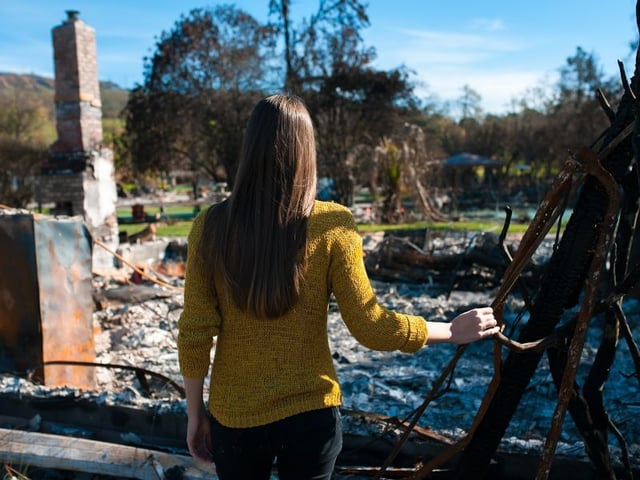
Wildfire risk is changing, and so is the insurance marketplace. As insurance carriers continue to evaluate wildfire exposure, homeowners may encounter new underwriting requirements, evolving coverage options, and changing market conditions. Understanding those changes can be challenging without the right guidance.
Brown & Brown helps homeowners evaluate wildfire insurance options, review coverage considerations, and navigate complex insurance decisions with greater confidence. Whether you're exploring coverage for a primary residence, vacation home, or property in a wildfire-prone area, our team can help you identify solutions that align with your needs.
Our experience across personal insurance, property risk management, and insights on the evolving market conditions enable us to help homeowners make informed decisions about protecting their property before and after a loss.
Wildfire insurance coverage options vary by insurer and policy type. Reviewing your current policy can help determine whether additional coverage or changes may be appropriate.
Renters insurance may provide coverage for personal belongings damaged by a covered wildfire loss. Coverage varies by policy, so renters should review their policy terms and limits.
Many homeowners’ insurance policies include coverage for wildfire-related damage, subject to policy terms, conditions, limits, deductibles, and exclusions.
Wildfire insurance typically covers the home, qualifying structures, personal belongings, smoke damage, additional living expenses, and debris removal following a covered loss.
The right coverage depends on factors such as location, wildfire exposure, property characteristics, and individual insurance needs. Homeowners should review available options carefully to determine which solution best fits their situation.
Wildfire insurance for a vacation home includes factors such as location, occupancy, rebuilding costs, wildfire exposure, and property features can all influence coverage needs for a secondary residence.
Wildfire insurance coverage availability and pricing vary based on wildfire exposure, property characteristics, and market conditions. Working with an insurance professional can help homeowners explore available options.
Some carriers may consider wildfire mitigation efforts, home-hardening improvements, and fire-resistant features when evaluating risk. Availability varies by carrier.
Wildfire insurance coverage options vary by insurer and policy type. Reviewing your current policy can help determine whether additional coverage or changes may be appropriate.
Wildfire risk and insurance availability continue to evolve as environmental conditions, rebuilding costs, and underwriting requirements change. Whether you're reviewing your current homeowners insurance, purchasing coverage for a new property, or exploring options in a wildfire-prone area, understanding your coverage can help you make more informed decisions before a loss occurs.
Brown & Brown works with homeowners to evaluate wildfire insurance options, review existing coverage, and identify solutions that align with their property's location, risk profile, and insurance needs. Our team can help you better understand available coverage, policy considerations, and the evolving wildfire insurance marketplace.