



Claims processing is where customer relationships are made or broken, operational costs are controlled or spiral, and organizational risk is managed.
However, many teams continue to rely on manual workflows including data extraction, documents reviews, setting reserves, and routing cases. In our recent risk management webinar, we asked industry leaders to examine how AI is reshaping claims administration.
Our key finding: use AI for the routine work so adjusters can concentrate on cases that truly require human judgment.
The Role of AI in Transforming Insurance Claims Administration
You can view the recording of The Role of AI in Transforming Insurance Claims Administration here:
How AI changes claims administration
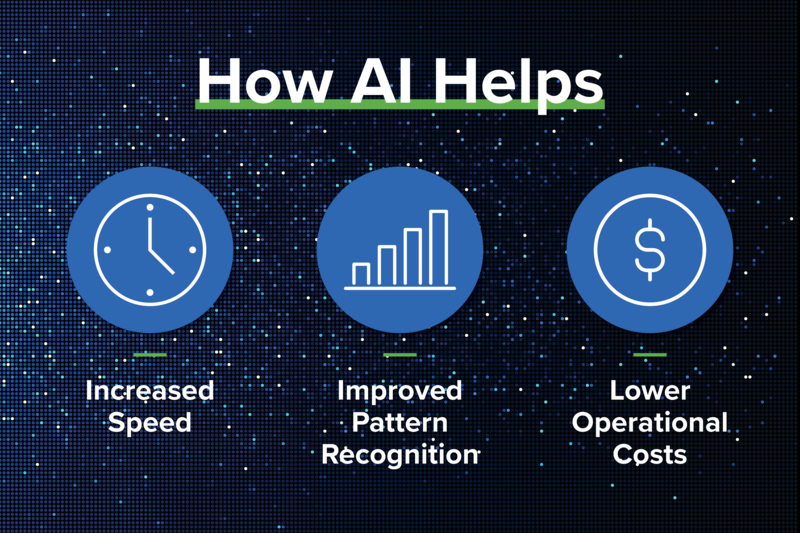
AI-powered systems accelerate claims cycles by automating document intelligence. These systems can extract policyholder details, coverage information, and damage assessments in seconds rather than minutes. Additionally, they can improve consistency in claims decisions, identify fraud patterns, and reduce customer wait times through 24/7 chatbot support.
This proves invaluable for accelerating claim resolution, lowering operational costs, and allowing adjusters to focus on higher-value work.
Three factors to consider when implementing AI in claims administration
While AI-powered systems represent an enormous opportunity to improve efficiency, implementing them still requires due diligence. Three critical factors to consider when implementing AI:
1. Create a clearly defined role for the AI software.
Automation works best on high-volume, repetitive decisions including triage, document routing, and initial reserve estimates. However, things like coverage disputes, multi-party claims, and litigation should continue to be handled by experienced adjusters who can practice better judgment. The goal of AI is not replacement, but augmentation.
2. AI models learn from your claims data, maintaining information is critical
Incomplete, inaccurate, or poorly documented data produces unreliable models. Establish governance standards and data audits before deploying AI.
3. Pilot your AI system before widespread implementation
Start with one type of claim or designate an office for testing. Before testing the system, clearly define what success metrics are most vital to your operation, such as cycle time, accuracy, or customer satisfaction. Use the pilot results to refine the system before organization-wide deployment.
Connect with Brown & Brown
If your organization is evaluating AI capabilities, modernizing claims workflows, or reassessing technology strategy, connect with us to discuss how AI can enhance efficiency and customer outcomes in your claims administration.
About the author
Kevin Lassiter leads a consulting team specializing in assisting clients with developing cost containment strategies, litigation management, outsourced risk management, and improving quality relating to risk management procedures. His team manages claim consulting projects involving operational analysis, claim administrator selection/performance evaluations, claim auditing, and developing key performance indicators for risk management programs.